
Sublimation printer shipping and international logistics guide
Direct Answer
Shipping a sublimation printer internationally from China typically involves choosing between air freight (DHL, FedEx, UPS) for fast 3–7 day delivery at $4–$8/kg, and sea freight (LCL or FCL) for bulk orders at $5,500–$7,500 per 20–40ft container over 25–35 days. Costs depend on the printer’s size, weight, destination, and Incoterms (EXW, FOB, CIF, or DDP). Working with an experienced Chinese manufacturer like FCOLOR ensures proper export documentation, HS code classification (8443.32), and on-time delivery to your port.
Air Freight: Fast but Premium
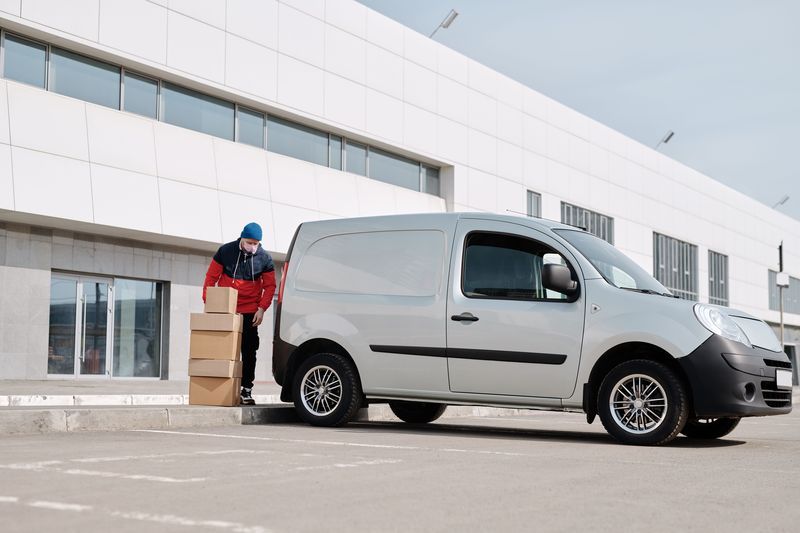
Air freight is the most common method for shipping one to five sublimation printers. The three major integrators—DHL Express, FedEx International Priority, and UPS Worldwide Express—offer 2–5 day door-to-door service from major Chinese hubs (Shenzhen, Guangzhou, Shanghai) to North America, Europe, and the Middle East. Typical rates run $4–$8 per kilogram for shipments under 100 kg, with the volumetric divisor set at 5000 for DHL/FedEx. For example, a 60 cm sublimation printer (60×50×40 cm package, ~30 kg volumetric) shipped Shenzhen to Los Angeles costs about $180–$250 with DHL and arrives in 3–5 days. Lithium-ion control boards (UN3480) require MSDS documentation and Class 9 hazardous material labels.
Sea Freight: Economical for Bulk Orders
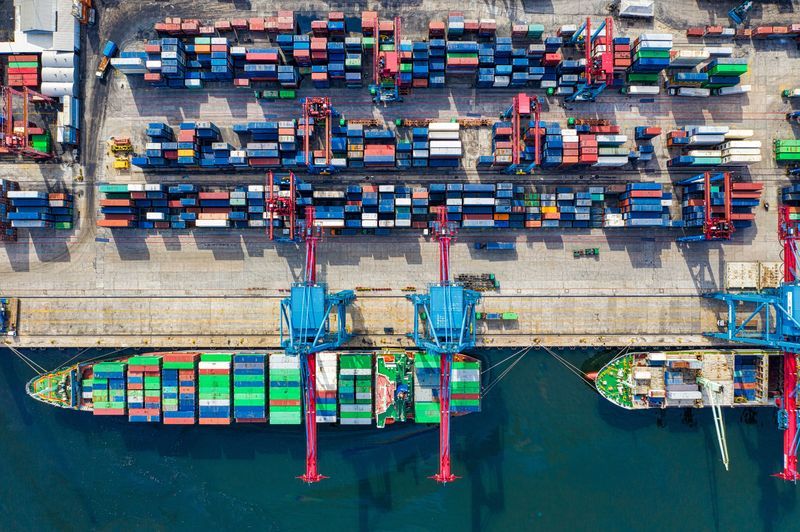
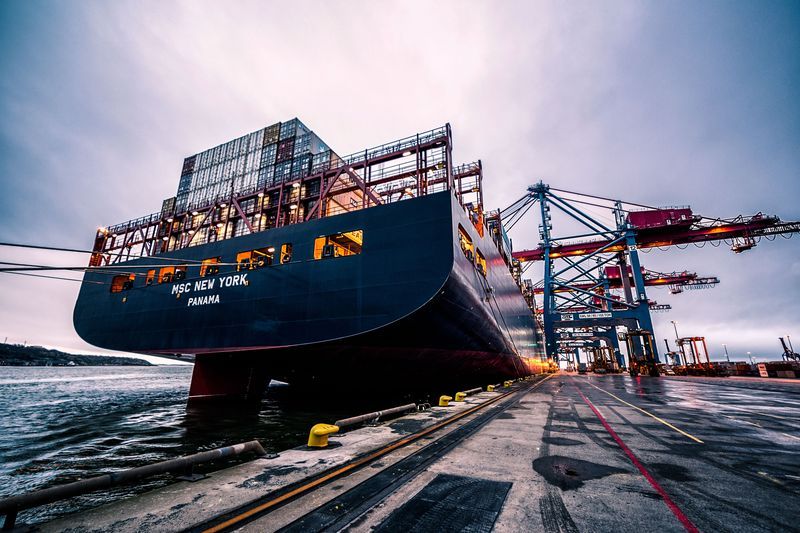
Sea freight is the right choice for orders of 6+ printers, full container shipments, or when lead time is flexible. A 20ft general purpose (GP) container from Shanghai or Ningbo to Los Angeles costs about $5,500, while a 40ft high cube (HQ) runs $7,500–$8,500, with transit times of 18–28 days. Less-than-container-load (LCL) is suitable for 1–8 cubic meters, priced around $80–$150 per cubic meter, with 30–40 day transit. Sea freight is significantly cheaper per unit for large orders, but you must factor in origin terminal handling (THC), destination delivery (DDC), and the option of adding port-to-door trucking.
HS Codes, Documentation, and Customs
Sublimation printers are typically classified under HS code 8443.32 (other printing machinery capable of connecting to an ADP machine) or 8443.39 (other printing machinery). Required documents include commercial invoice, packing list, bill of lading or air waybill, certificate of origin (Form A or Form E for preferential tariff), and CE/FCC/RoHS compliance certificates for destination markets. China’s export tax rebate for digital printers is currently 13%, which can be passed on as a price advantage. The United States applies a Section 301 additional tariff of 7.5–25% on Chinese-origin printing machinery under HTSUS 8443, while the EU applies a 1.7–2.5% MFN duty plus 20% VAT. Proper HS code classification can save thousands of dollars in duties.
Choosing Incoterms and Freight Forwarder
Incoterms define responsibility split between buyer and seller. EXW (Ex Works) means the buyer handles everything from the factory gate—cheapest upfront but most work. FOB (Free On Board) is the most common for sea freight: the seller delivers to the origin port and loads the vessel, the buyer takes over for ocean transit, insurance, and destination charges. CIF (Cost, Insurance, Freight) includes ocean freight and insurance to the destination port, with the buyer handling import clearance. DDP (Delivered Duty Paid) is the most hands-off—the seller pays all duties and delivers to your door—ideal for first-time importers. Partnering with a freight forwarder who specializes in Chinese printing equipment, and sourcing from an experienced supplier like FCOLOR, typically reduces total landed cost by 12–18%.
Packaging, Insurance, and Risk Management
Sublimation printers are precision instruments with delicate printheads and electronic components. Industry-standard export packaging uses a wooden crate (ISPM 15 heat-treated and stamped for international shipment), foam inserts, anti-static bags for circuit boards, silica gel desiccants to control humidity, and shock indicators on the outer carton. Marine cargo insurance typically costs 0.3–0.5% of the cargo value and covers all-risk loss or damage. For air freight, the IATA lithium battery rules apply if the printer contains a built-in battery. Always photograph the package before sealing and again on arrival for any claim. Working with a manufacturer that has documented QC and packaging SOPs—like FCOLOR—reduces in-transit damage rates to below 0.5%.
International Shipping Checklist for Sublimation Printers
- Confirm HS code 8443.32 or 8443.39 and applicable tariff
- Decide air vs sea based on quantity, urgency, and budget
- Choose Incoterm: EXW, FOB, CIF, or DDP
- Verify MSDS and battery declaration if lithium-equipped
- Prepare commercial invoice, packing list, and certificates
- Use ISPM 15 heat-treated wooden crate for sea freight
- Purchase marine cargo insurance at 0.3–0.5% of value
- Track shipment with AWB or B/L number throughout transit
Related Questions
- How to choose sublimation printer for my printing needs?
- What is the minimum order quantity (MOQ) for sublimation printer from Chinese suppliers?
- Sublimation printer warranty, after-sales support, and spare parts availability
- How to negotiate the best price when buying UV printer in bulk?
- How to import UV printer to the USA / Europe: customs and duties explained
Need help shipping your sublimation printer order? FCOLOR handles export documentation, HS code classification, and ships FOB, CIF, or DDP to over 80 countries. Get a Shipping Quote from FCOLOR →
Are you looking for a reliable manufacturer of inkjet ink and printer products?
We can quickly provide customers with market analysis, technical support and customized services.

- Name
- Phone
- *Title
- *Content