
Latest sublimation printer technology trends and innovations for 2025
Latest Sublimation Printer Technology Trends and Innovations for 2025
In 2025, sublimation printing technology is defined by faster print speeds exceeding 1,000 sqm/hr, AI-powered color management, eco-friendly water-based inks, and hybrid printer capabilities that combine transfer and direct-to-textile printing in a single device.

Next-Generation Print Speed and Printhead Technology
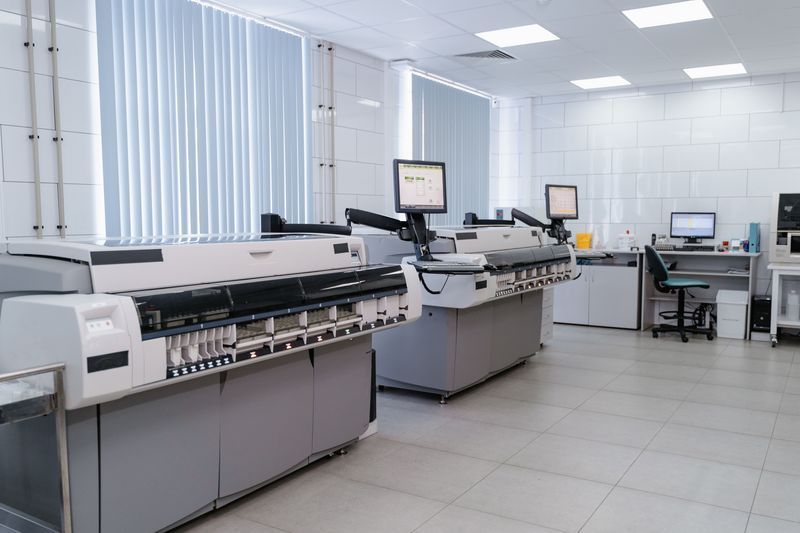
The most dramatic advancement in 2025 sublimation printers is the leap in production speed. Industrial-grade models equipped with Epson PrecisionCore and Ricoh GEN 6 printheads now routinely exceed 1,000 square meters per hour in high-quality production modes. The HP Stitch S1000, for example, achieves speeds of up to 220 sqm/hr on its 3.2-meter super-wide format, while Mimaki Tiger600-1800TS pushes the boundary for analog-to-digital textile conversion.
Higher nozzle densities and sophisticated data processing algorithms enable these speeds without sacrificing resolution. Dual-roll printing capabilities allow unattended long runs, and automated maintenance functions keep printheads clean and operational with minimal human intervention.
Eco-Friendly Inks and Sustainable Printing
Sustainability has moved from a marketing claim to a core technology pillar. Water-based sublimation inks are now the industry standard, offering vibrant colors while being odorless and requiring less energy to sublimate. REACH-compliant, non-toxic ink formulations have gained widespread adoption, especially in European markets where environmental regulations are strictest.
Key eco-innovations include:
- Closed-loop ink recapture systems that filter and reuse excess ink and vapor
- Low-energy ECO modes for heating and standby operations
- Optimized sublimation processes requiring lower temperatures and shorter press times
- Green-certified dye-sublimation inks meeting REACH and OEKO-TEX standards
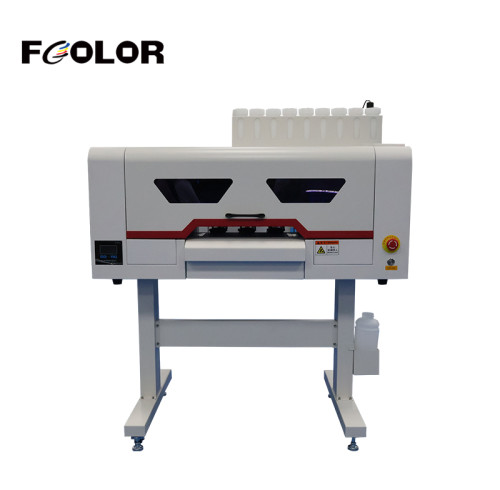
FCOLOR has been at the forefront of sustainable sublimation technology, integrating energy-efficient components and eco-conscious ink systems across its printer lineup.
AI-Powered Software and Workflow Automation
Cloud-connected RIP (Raster Image Processor) software has transformed how sublimation businesses operate. These subscription-based platforms enable remote job management, automatic color profile updates, and seamless integration with e-commerce platforms like Shopify and ERP systems.
AI-powered color matching tools now automatically calibrate colors, maintain consistency across print runs, and predict ink usage to prevent production interruptions. The Mimaki Tx300P series supports five ink types (pigment, dye-sublimation, disperse, reactive, and acid), with AI optimizing color output for each without manual recalibration.
End-to-end workflow solutions connect sublimation printers directly to automated cutting machines and inline calender heat presses, enabling true "lights-out" production where raw fabric enters and finished products exit with zero operator intervention.
Hybrid and Multi-Material Capabilities
The hybrid printer has become the dominant trend in 2025. Models like the HP Stitch S300 and S500 support both transfer paper and direct-to-fabric printing from a single device. Advanced units also handle coated rigid substrates including phone cases, plaques, and MDF panels, making them versatile production hubs.
A groundbreaking 2025 innovation is white sublimation blanks, enabling over 95% opacity on dark surfaces. This eliminates the long-standing limitation of sublimation being restricted to light-colored polyester, opening the technology to dark materials and irregularly shaped items. This single breakthrough is driving a large-scale shift from DTG to sublimation in apparel and gift manufacturing.
Market Data and Industry Outlook
According to industry research, the global dye-sublimation printer market was valued at $2.30 billion in 2024 and is projected to reach $4.51 billion by 2032. The sublimation transfer paper market alone hit $1.40 billion in 2025 (Smithers Pira). Custom sportswear and home decor segments are seeing double-digit growth year-over-year.
Brands leveraging hybrid sublimation-DTF workflows report 30% higher profit margins due to reduced material waste. FIFA and Olympics merchandise suppliers increasingly adopt sublimation for lightweight, breathable designs. On-demand printing for curtains, cushions, and wall art is surging on platforms like Etsy and Amazon Handmade.
Key 2025 Sublimation Technology Checklist
- Print speeds exceeding 1,000 sqm/hr with industrial printheads
- AI-powered color management and cloud-based RIP software
- Water-based, REACH-compliant sublimation inks
- Hybrid transfer + direct-to-textile printing capability
- White sublimation blanks with 95%+ opacity on dark surfaces
- Inline calender integration for continuous production
- Eco-mode energy saving and closed-loop ink recapture
Related Questions
- How does sublimation printing compare to DTG and screen printing?
- What is the ROI of upgrading to a hybrid sublimation printer?
- Which industries benefit most from sublimation technology?
- How to choose between transfer and direct-to-fabric sublimation?
- What are the environmental benefits of water-based sublimation inks?
Ready to upgrade your sublimation printing?
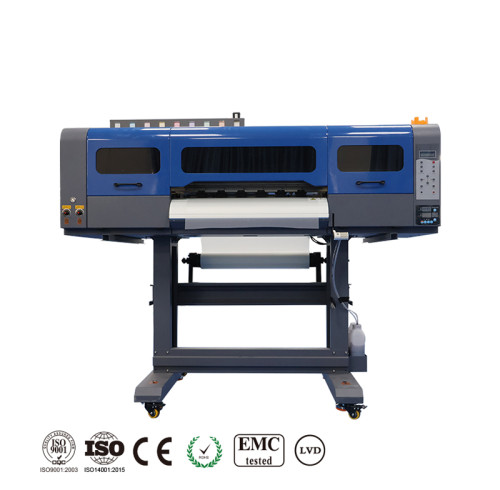
FCOLOR offers cutting-edge sublimation printers with the latest printhead technology, AI-powered workflow, and eco-friendly ink systems. Explore our lineup today.
Are you looking for a reliable manufacturer of inkjet ink and printer products?
We can quickly provide customers with market analysis, technical support and customized services.

- Name
- Phone
- *Title
- *Content