
DTF printer buying guide: what every importer should know
DTF Printer Buying Guide: What Every Importer Should Know
Before importing a DTF printer, importers should evaluate print head authenticity, open consumable compatibility, machine stability, automation level, after-sales support, and export certifications (CE, FCC, RoHS, REACH). A well-informed buying decision balances upfront cost with total cost of ownership and long-term production reliability.
What DTF Printing Is and Why It Matters
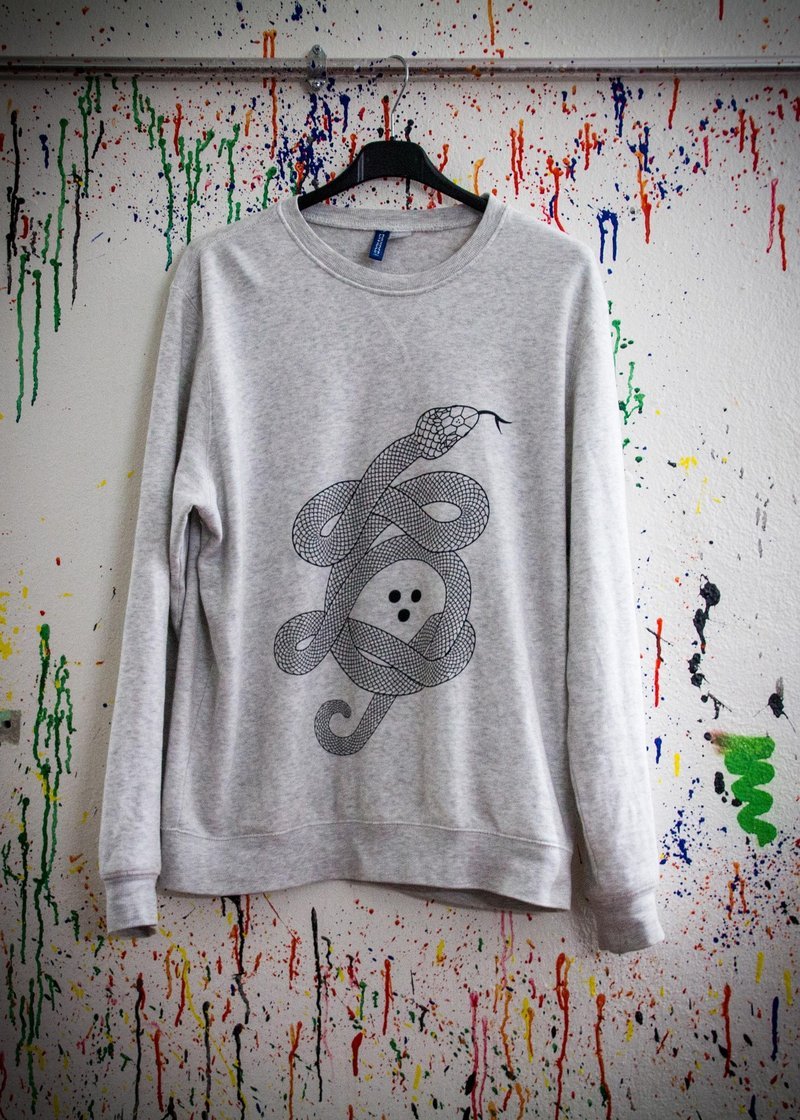
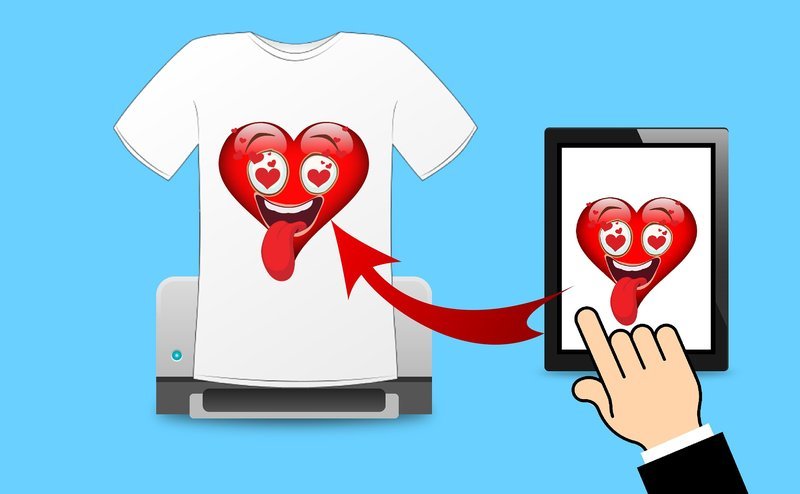
DTF (Direct-to-Film) printing transfers digital designs onto a special PET film, applies adhesive powder, and then heat-presses the image onto fabric. Unlike screen printing, DTF requires no screens, no color separations, and no minimum order quantities. It works on cotton, polyester, blends, nylon, denim, and even elastic fabrics, making it one of the most versatile apparel decoration methods available today.
The global custom apparel market has made DTF printing a leading choice for small-batch production, print-on-demand businesses, and garment decoration shops. Compared to DTG and sublimation, DTF offers lower startup costs, wider fabric compatibility, and simpler daily operation.
Key Specifications to Compare
| Feature | Why It Matters | What to Look For |
|---|---|---|
| Print Head | Defines print quality and lifespan | Original Epson I3200-A1 or S3200 |
| Print Width | Determines output size and productivity | A3, 13", 24", or 36" based on volume |
| White Ink System | Affects reliability and maintenance | Independent stirring, circulation, negative pressure |
| Automation | Reduces labor and material waste | Auto powdering, recycling, dust removal |
| Software | Controls layout and color accuracy | Genuine RIP with AI nesting |
| Certifications | Required for customs and safety | CE, FCC, RoHS, REACH |
FCOLOR emphasizes that original print heads are non-negotiable for importers. Refurbished or second-hand heads may lower the initial price but lead to inconsistent output, frequent clogging, and costly replacements.
Hidden Costs Every Importer Should Calculate
Many buyers focus only on the machine price and overlook total cost of ownership. Closed consumable systems — where the manufacturer locks ink, powder, and film to its brand — can increase operating costs by 8 to 10 times compared to open systems. An open-system DTF printer compatible with universal third-party supplies gives importers more flexibility and better margins.
Additional hidden costs include:
- Freight and customs duties — typically 5% to 15% of machine value depending on destination.
- Installation and training — some suppliers charge separately for remote or on-site setup.
- Spare parts inventory — print heads, dampers, capping stations, and ink tubes wear over time.
- Humidity and ventilation equipment — necessary for stable white ink performance.
- Maintenance downtime — poor machines waste material and delay customer orders.
Certifications for Smooth Customs Clearance
Overseas buyers must confirm that the DTF printer meets local import and safety standards. Without the correct documentation, machines can be held at customs, rejected by safety inspectors, or blocked from commercial use. Required documents usually include:
- CE conformity certificate for the European market.
- FCC declaration for the United States.
- RoHS and REACH reports for chemical and environmental compliance.
- Detailed invoice, packing list, and bill of lading.
- User manual in English and, if required, local language.
FCOLOR provides export-ready DTF printers with complete certification packages, reducing the risk of customs delays and compliance failures.

Vendor Evaluation Checklist
- Production Experience — Choose a manufacturer with at least 5 years of DTF printer production and a record of overseas shipments.
- Factory Audit — Verify real manufacturing capability rather than a trading office. Request video calls, photos, or third-party audit reports.
- After-Sales Support — Confirm English-language technical support, remote troubleshooting, and spare parts availability in your region.
- Warranty Terms — Read the fine print. A 12-month warranty is standard; make sure print heads and electronics are clearly covered.
- Sample Prints — Request sample prints on the fabrics you plan to use. Test wash durability and color fastness.
- Reference Customers — Ask for contacts in your country or region. Real feedback is more reliable than any sales brochure.
Production Expectations
Entry-level A3 DTF printers are suitable for side businesses and testing the market. 13" and 24" roll-fed models are the standard commercial entry point for growing shops. Industrial 36" systems with automated powder shakers and roll-to-roll workflows support high-volume transfer businesses. Matching the machine size to your weekly output prevents under-investment or over-capitalization.
Realistic buyers also budget for daily maintenance: nozzle checks, white ink circulation, print head cleaning, and proper shutdown routines. Suppliers who promise "push-button" operation without mentioning white ink maintenance should be viewed with caution.
Looking for an export-ready DTF printer? Contact FCOLOR for specifications, certifications, and importer guidance tailored to your market.
Are you looking for a reliable manufacturer of inkjet ink and printer products?
We can quickly provide customers with market analysis, technical support and customized services.

- Name
- Phone
- *Title
- *Content