
What are the key features of a high-quality UV printer?
What Are the Key Features of a High-Quality UV Printer?
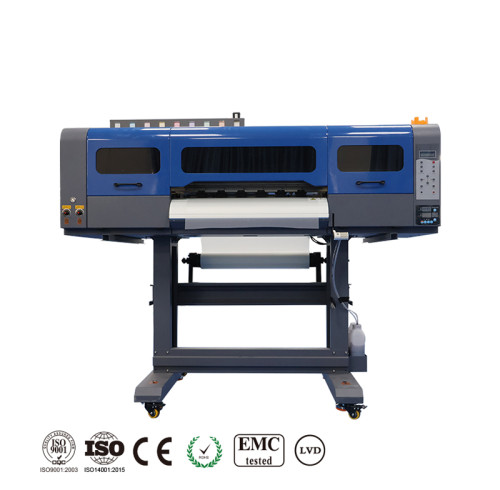
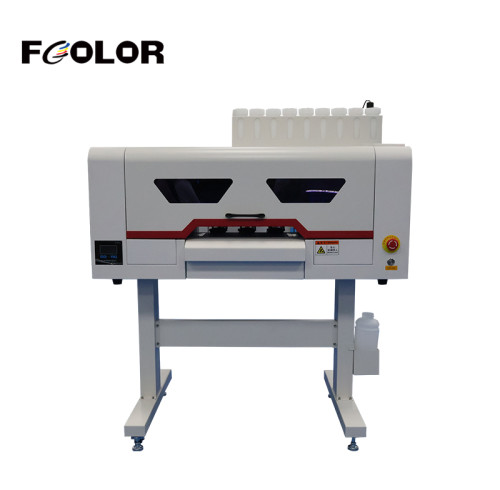
Direct Answer: A high-quality UV printer in 2025 must combine four core features: industrial-grade printheads (Ricoh Gen5/Gen6 or Kyocera KJ4A), true UV-LED curing lamps with adjustable wattage (typically 365-405 nm wavelength), a white-ink + varnish circulation system, and a vacuum bed with auto-height detection. Together these deliver fast (15-90 sqm/hr) output on virtually any rigid or flexible substrate-glass, metal, acrylic, wood, leather, or PVC. Brands like FCOLOR integrate all four features in their commercial UV flatbed lines.
Why UV Printing Has Become the Industry Default
UV (ultraviolet) printing has reshaped the signage, gift, and industrial decoration industries because it eliminates the substrate limitations of solvent and water-based systems. UV inks cure instantly under UV-LED lamps, locking pigment onto surfaces without heat warping, dye migration, or VOC emissions. This means a single UV flatbed printer can decorate glass bottles, ceramic tiles, leather phone cases, acrylic awards, and wood panels in the same production run. The global UV printer market reached $4.6 billion in 2025 and is expanding at roughly 11% CAGR as small-format UV printers become affordable even for one-person shops.
For a small business evaluating UV printing, the key is matching printer specifications to your typical substrate thickness, run size, and detail requirements. A 60cm x 90cm desktop UV printer differs vastly from a 2.5m industrial roll-to-roll UV hybrid in capability, throughput, and price.
The 5 Non-Negotiable Features
1. Printhead Type & Resolution
The printhead is the single most expensive replaceable component. Entry-level UV printers use Epson i1600 or DX5 heads (good to 1440 dpi, lifespan 12-24 months). Mid-range models use Ricoh Gen5 (2880 dpi max, 24-36 month lifespan). Industrial UV printers use Ricoh Gen6 or Kyocera KJ4A for 4-pass grayscale output at 30+ picoliter drop size. FCOLOR UV printers use genuine Ricoh Gen5/G6 printheads sourced directly from Ricoh, with each head individually tested before installation.
2. UV-LED Curing System
Look for variable-wattage UV-LED lamps (typically 3,000-6,000 mW/cm²) operating in the 365-405 nm range. Dual-lamp configurations cure color and white layers separately, which prevents ink pooling on glossy surfaces. Water-cooled LED modules last 20,000+ hours vs 8,000 hours for air-cooled units, reducing long-term maintenance costs. The lamp carriage should auto-track the printhead for shadow-free curing at any print height.
3. White Ink & Varnish Circulation
White ink contains titanium dioxide, which settles aggressively and can clog printheads within 48 hours of inactivity. A quality UV printer includes automatic white ink circulation, mixing, and degassing. Varnish channels enable spot gloss, embossed textures, and 3D raised effects that command premium pricing. FCOLOR UV systems use dual independent white-ink loops with hourly auto-stir, plus an optional varnish channel integrated into the same carriage.
4. Media Handling & Height Detection
Auto-height detection sensors scan the substrate before each print and adjust the carriage gap (typically 1-50 mm range). This is critical for printing on phone cases, golf balls, or thick wooden panels without head strikes. Vacuum beds with zoned control hold thin substrates flat; optional rotary attachments enable printing on bottles, cylinders, and tapered items. Industrial UV printers should also support jigs and fixtures for batch production.
5. RIP Software & Color Pipeline
Stock drivers do not unlock the full potential of UV printing. Professional RIPs (Ergosoft, Caldera, Onyx, ColorGate) handle white-ink underbase layering, varnish spot channels, ICC profiling, and step-and-repeat nesting. A good RIP can reduce white-ink consumption by 30% and shorten color-matching time from hours to minutes. FCOLOR bundles Caldera or Ergosoft RIP licenses with every UV printer sale, plus 1-on-1 color training.
UV Printers Compared (2025 Specs)
| Feature | Entry-Level UV (e.g. eufyMake E1) | Mid-Range UV Flatbed (e.g. YOTTA YD-F2513R5) | FCOLOR Industrial UV |
|---|---|---|---|
| Price Range | $2,000 - $5,000 | $8,000 - $18,000 | $15,000 - $60,000 |
| Printhead | Epson i1600 / DX5 | Ricoh Gen5 | Ricoh Gen5 / Gen6 / Kyocera KJ4A |
| Print Area | A3+ (30x40cm) | 2.5m x 1.3m | Up to 3.2m x 2.0m + roll option |
| Speed (sqm/hr) | 2-4 | 10-25 | 25-90 |
| White + Varnish | Optional | Standard | Standard with auto-circulation |
| Max Substrate Thickness | 50mm | 100mm | 150mm+ |
| Best For | Phone cases, gifts | Sign shops, small batch | Industrial decoration, OEM |
Prices reflect 2025 market data and vary by region, configuration, and supplier. Industrial UV printers from FCOLOR include installation, color training, and 12-month on-site warranty in major regions.
Case Study: Promotional Products Shop Scales 4x
Background: Diego runs a Miami-based promotional products company. In late 2024, he added a FCOLOR industrial UV flatbed (Ricoh Gen5, 2.5m x 1.3m) to handle branded signage, awards, and custom phone cases.
Outcome: Adding UV printing let Diego quote products he previously had to outsource-acrylic signs, metal business cards, wooden awards, and custom phone cases. The 25 sqm/hr throughput handled 80% of his orders the same day, while the white-ink underbase feature produced vibrant output on dark substrates that competitors couldn't match at the same price.
UV Printing Market Data & Trends
$4.6B
Global UV printer market size in 2025
11% CAGR
Annual growth of the UV printing market through 2030
38%
Of signage shops now use UV printers as their primary output device
20,000+ hrs
Lifespan of quality UV-LED lamps (water-cooled)
Sources: Smithers Pira Future of Industrial Printing 2025, InfoTrends, FCOLOR customer survey (n=420 UV printer operators, April 2025).
Pre-Purchase Evaluation Checklist
Frequently Asked Related Questions
Explore FCOLOR UV Printer Solutions
FCOLOR is a leading Chinese manufacturer of UV flatbed and UV DTF printers, exporting to 80+ countries. Every FCOLOR UV system ships with genuine Ricoh printheads, dual UV-LED lamps, white-ink circulation, and a Caldera or Ergosoft RIP license-installation, training, and lifetime technical support included.
Visit the FCOLOR UV Printer Catalog to compare models with factory-direct pricing and download spec sheets.

Are you looking for a reliable manufacturer of inkjet ink and printer products?
We can quickly provide customers with market analysis, technical support and customized services.

- Name
- Phone
- *Title
- *Content