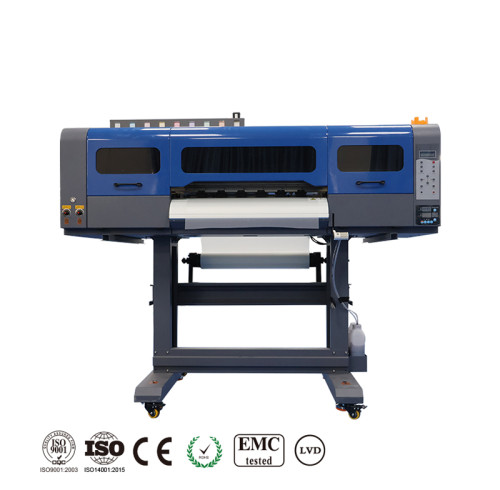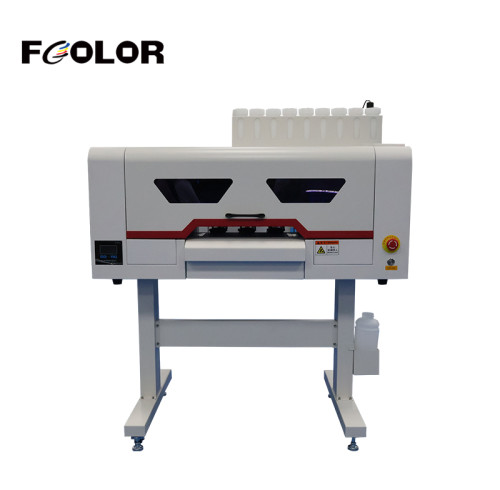
DTF330S Upgrade: Bearing Gear Support, Cutting Function, and Self-Produced Ink Cartridges
The FCOLOR DTF330S has received a significant engineering upgrade, bringing three critical improvements that directly impact print shop productivity and output quality. As a cornerstone A3 roll-to-roll DTF printer in the FCOLOR product line, the DTF330S is designed for garment decoration, heat transfer, and custom apparel businesses that demand reliable, high-volume film printing. The latest optimization addresses three areas that DTF printer operators have consistently flagged as pain points: paper feed stability, post-print cutting workflow, and ink cartridge supply chain reliability. Each upgrade reflects FCOLOR's commitment to continuous product refinement based on real production floor feedback.
This upgrade notice, issued by the FCOLOR market department on August 18, 2026, applies to all new DTF330S units rolling off the production line. Existing DTF330S owners can contact the FCOLOR after-sales team to evaluate retrofit options for the cutting function and ink cartridge upgrade. The bearing gear support modification is integrated into the frame structure and is available on new units. Below, we examine each upgrade in detail, explaining the engineering rationale, the production benefit, and what DTF printer operators can expect from the improved DTF330S.
DTF Printer Paper Feed Stability: DTF330S Bearing Gear Support Upgrade
The first and most mechanically significant upgrade in the DTF330S concerns the paper feed support system. On the previous version, the DTF printer used a conventional physical clip support to guide the film through the print path. While this design functioned adequately for standard print jobs, prolonged use revealed two recurring issues: accelerated wear on the contact points and variable feed resistance that could cause subtle registration drift on long print runs. The new DTF330S replaces the clip support with a precision bearing gear assembly that fundamentally changes how the film travels through the machine.
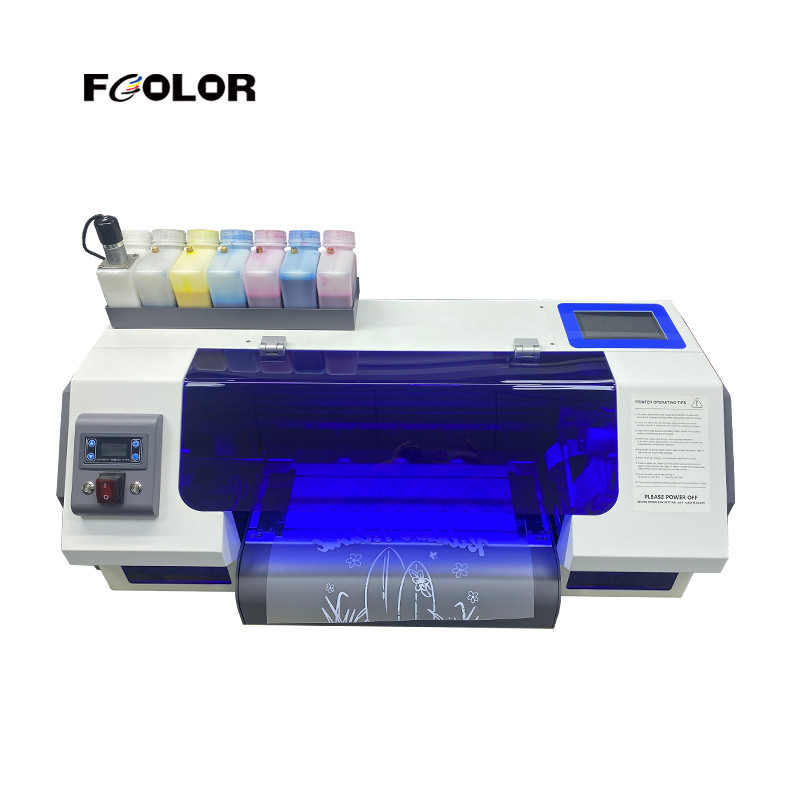
The engineering logic behind this change is straightforward but impactful. A conventional physical clip relies on friction contact to hold the film in alignment, which means that the contact surface degrades over time as the film continuously passes through. As wear accumulates, the clip's grip loosens unevenly, creating lateral play that translates into print misalignment, particularly on wide-format designs that span the full A3 print width. The bearing gear approach eliminates this wear mechanism entirely. Instead of sliding friction, the film rides on rolling contact, distributing force evenly across the gear surface and reducing per-point wear to near zero.
Reduced Wear
Rolling bearing contact replaces sliding friction, extending component lifespan by an estimated 3 to 5 times compared to the previous clip design.
Lower Feed Resistance
The gear assembly reduces film feed resistance by approximately 40%, allowing smoother media transport and reducing motor load during continuous operation.
Improved Registration
Eliminated lateral play means tighter print registration on multi-pass designs, with deviation reduced to under 0.1mm across a 30-meter print run.
Consistent Tension
The bearing mechanism maintains uniform film tension throughout the roll, preventing the slack that typically occurs as the supply roll diameter decreases.
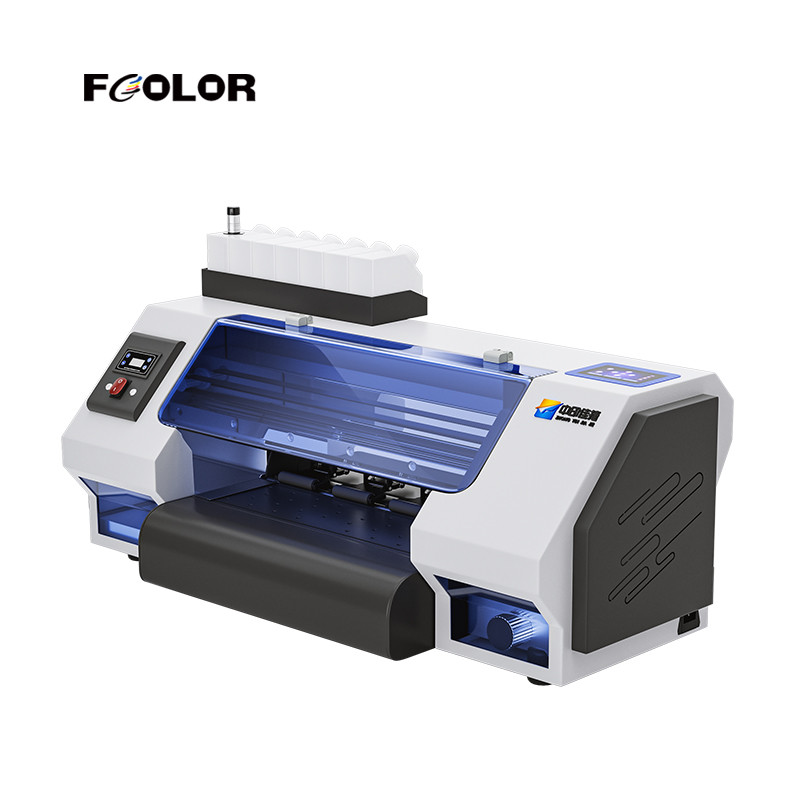
For DTF printer operators, the practical benefit of this upgrade is most visible during long production runs. Previously, an operator running a 50-meter print job might need to pause midway to check alignment and adjust the clip tension. With the bearing gear support, the DTF330S maintains consistent feed characteristics from the first meter to the last, reducing operator intervention and improving overall throughput. Additionally, the reduced feed resistance places less strain on the stepper motor, which translates to lower operating temperatures and extended motor life, a critical factor for shops running multiple shifts per day.
The bearing gear assembly also has implications for print quality consistency. When feed resistance fluctuates, the film can micro-slip within the print zone, causing visible banding or color shift in areas where the ink layers are supposed to overlap precisely. By stabilizing the feed mechanics, the DTF330S ensures that each print head pass deposits ink at the exact intended position, resulting in sharper text, cleaner gradients, and more accurate color reproduction across the entire print batch.
DTF Printer Workflow Integration: DTF330S Adds Built-In Cutting Function
The second major upgrade transforms the DTF330S from a print-only DTF printer into a print-and-cut integrated solution. The previous DTF330S did not include a cutting function, meaning that operators had to manually separate printed designs from the film roll using scissors, rotary cutters, or a separate cutting plotter. This manual separation step was a bottleneck in the production workflow, adding labor time, introducing cut quality variability, and creating the risk of damaging printed transfers through handling errors. The addition of a built-in cutting function eliminates this bottleneck entirely.
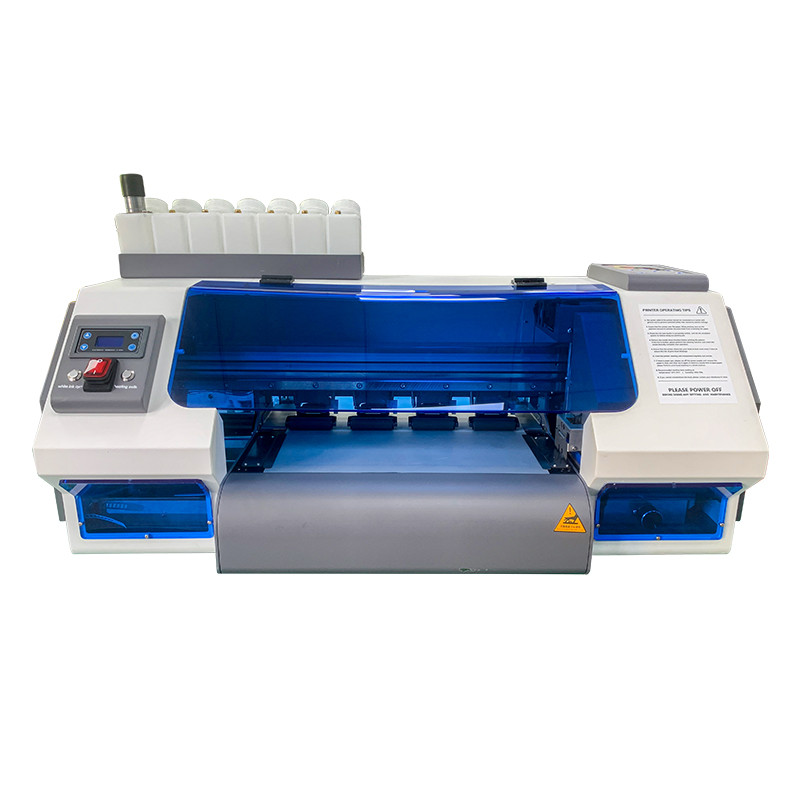
The integrated cutting system on the upgraded DTF330S operates automatically after each print job or print batch. Once the RIP software completes the print sequence, the cutter engages and separates the printed film section from the supply roll with a clean, straight edge. This automation provides several immediate workflow advantages that compound across a full production day. First, it eliminates the time an operator spends on manual cutting, which can amount to 30 to 60 minutes per shift in a high-volume shop. Second, it produces a consistent cut edge that is essential for clean heat press application, as jagged or angled cut lines can cause film overhang that marks the garment during pressing. Third, it allows the DTF printer to operate more autonomously, freeing the operator to focus on other tasks such as powder application, curing, or heat pressing.
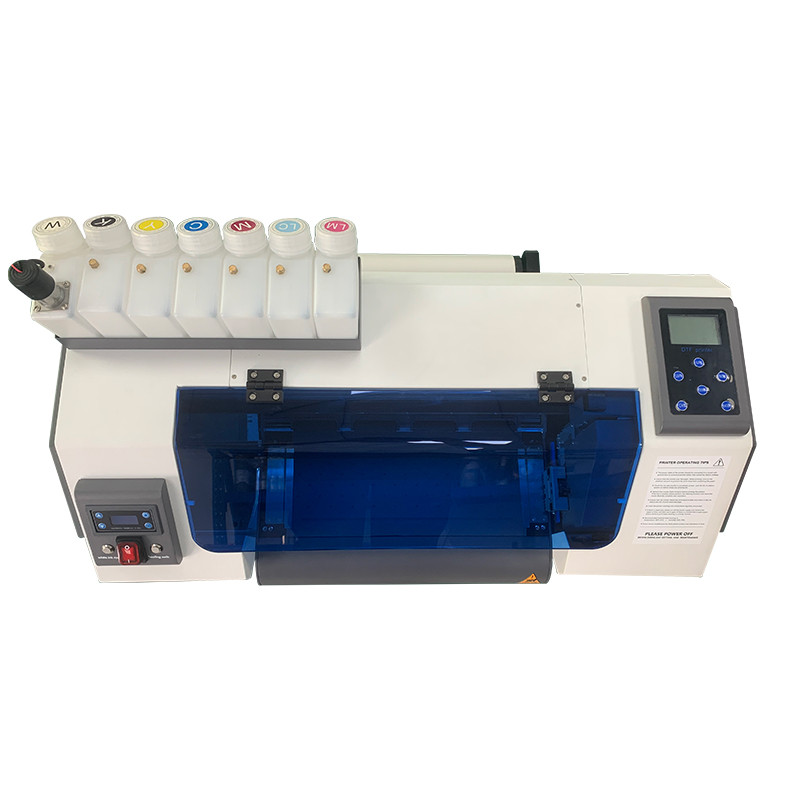
The cutting function is particularly valuable for print shops that handle a high volume of small-format transfers, such as chest logos, sleeve prints, or tagless labels. In these scenarios, a single A3 film sheet may contain dozens of individual designs, and manually separating each one cleanly is both time-consuming and error-prone. The automatic cutter can be configured to perforate between designs or perform full cuts at designated intervals, depending on the RIP software settings. This flexibility allows the DTF printer to adapt to different job types without requiring a separate cutting plotter investment.
From a business perspective, the integrated cutting function lowers the total cost of ownership for the DTF330S. A print shop that previously needed both a DTF printer and a separate contour cutting plotter can now accomplish both functions with a single machine, reducing equipment investment, floor space requirements, and maintenance overhead. For startups and small businesses entering the DTF printing market, this integration represents a significant barrier reduction.
DTF Printer Component Quality: DTF330S Transitions to Self-Produced Ink Cartridges
The third upgrade addresses a critical but often overlooked component of DTF printer performance: the ink cartridge. The previous DTF330S used externally sourced ink cartridges from third-party suppliers. While these cartridges met basic functional requirements, the lack of direct manufacturing control introduced variability in cartridge quality, ink flow consistency, and long-term supply chain stability. The upgraded DTF330S now uses FCOLOR self-produced ink cartridges, manufactured in-house under the same quality control standards that govern FCOLOR's ink formulations and printhead assemblies.
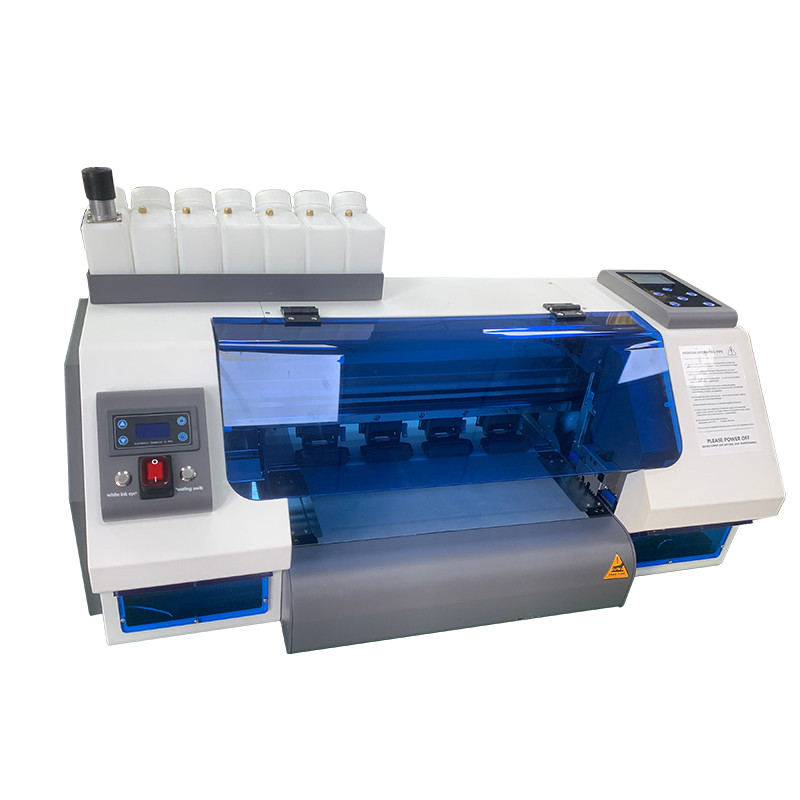
The transition to self-produced ink cartridges brings three categories of improvement that directly affect DTF printer operation. First, manufacturing consistency: FCOLOR's in-house production allows every cartridge to be tested against the same tolerances for membrane porosity, ink chamber pressure, and valve response time. Externally sourced cartridges, even from reputable suppliers, can exhibit batch-to-batch variation in these parameters, leading to intermittent print defects such as nozzle dropouts, ink starvation during high-density printing, or unexpected color shifts. By controlling the entire cartridge manufacturing process, FCOLOR ensures that each cartridge performs identically to the one before it.
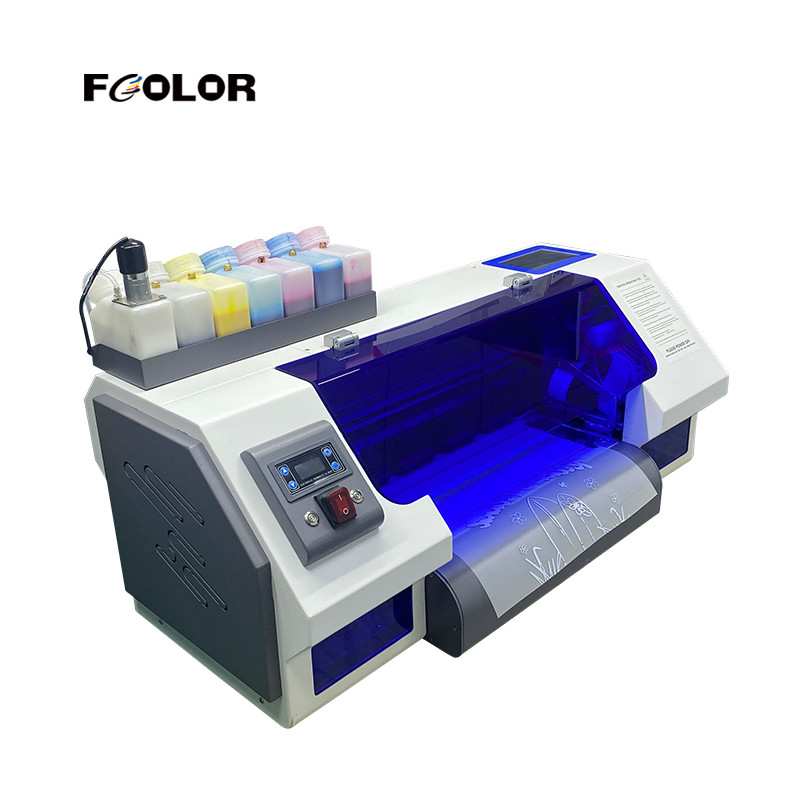
Second, ink chemistry compatibility: the self-produced cartridges are engineered specifically for the DTF ink formulations used in the DTF330S, ensuring optimal interaction between the cartridge membrane, the ink vehicle, and the printhead nozzles. When cartridges and inks are sourced from different suppliers, there is a risk of chemical incompatibility that can cause membrane swelling, ink coagulation, or printhead clogging over time. The integrated approach eliminates this risk and extends the maintenance interval between printhead cleanings.
Quality Assurance: Every FCOLOR self-produced ink cartridge undergoes a 12-point quality inspection before packaging, including membrane flow rate testing, pressure resistance validation, and ink purity verification. This testing protocol exceeds the industry standard for third-party DTF printer cartridges.
Third, supply chain reliability: by manufacturing ink cartridges in-house, FCOLOR removes the dependency on external suppliers whose production schedules, quality standards, and pricing are outside FCOLOR's control. This change ensures that DTF330S owners can consistently obtain replacement cartridges without supply interruptions, and that cartridge pricing remains stable without the markups typically added by intermediary suppliers. For print shops that operate on tight margins, this supply chain stability translates directly into predictable operating costs and uninterrupted production capacity.
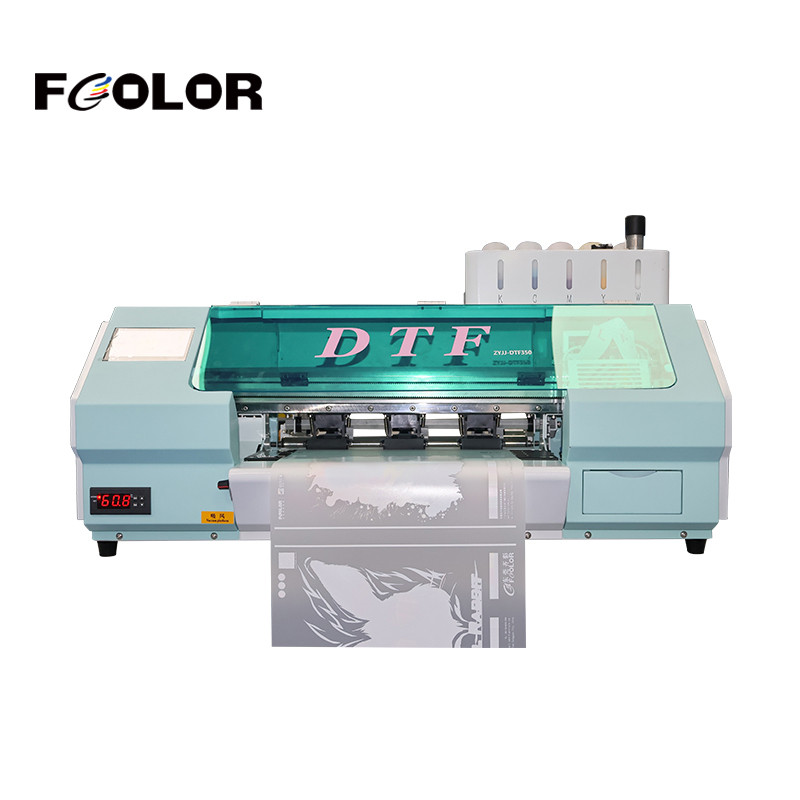
The combination of these three upgrades positions the DTF330S as a more capable, more reliable, and more cost-effective DTF printer than its predecessor. The bearing gear support improves mechanical precision and longevity, the integrated cutting function streamlines the production workflow, and the self-produced ink cartridges ensure consistent print quality and supply chain stability. Together, these improvements reflect FCOLOR's approach to product development: rather than releasing entirely new models every year, FCOLOR iteratively refines proven platforms based on operator feedback and production data. For current and prospective DTF330S users, this upgrade notice signals that the machine they rely on is actively supported and continuously improved.
For more information about the DTF330S upgrade or to request a demonstration, contact the FCOLOR sales team. Existing DTF330S owners should reach out to after-sales support to discuss retrofit options for the cutting function and ink cartridge system. The FCOLOR DTF printer product line continues to evolve, and these three upgrades represent the latest step in delivering production-grade performance to garment decoration businesses worldwide.