DTF vs DTG vs Sublimation: Which Printing Method Actually Makes Sense for Your Business?
If you are setting up a garment decoration business or expanding your print shop, you have probably asked yourself the same question every shop owner hits at some point: DTF, DTG, or sublimation — which one should I bet on?
The answer is not “pick one and ignore the rest.” The real answer depends on what you print, what fabric you print on, how many pieces you run per day, and what your customers expect the print to feel like after 30 washes.
We have spent years working with all three methods — running prints, troubleshooting failed transfers, and replacing equipment when a machine could not keep up. This article breaks down what each process actually delivers, where each one falls short, and how to match the right method to the right job. No fluff, just what the machines and the materials tell you after enough time on the shop floor.
How DTF Printing Works and Where It Beats Other Methods
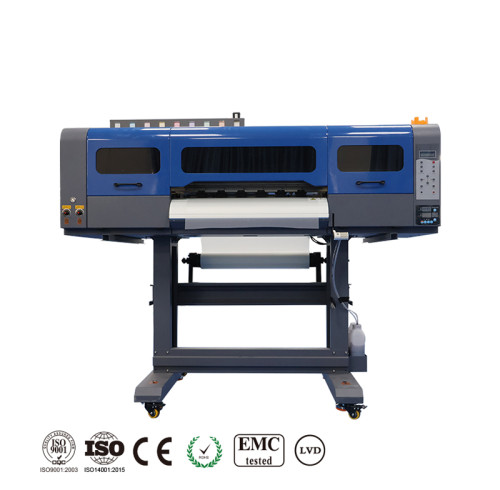
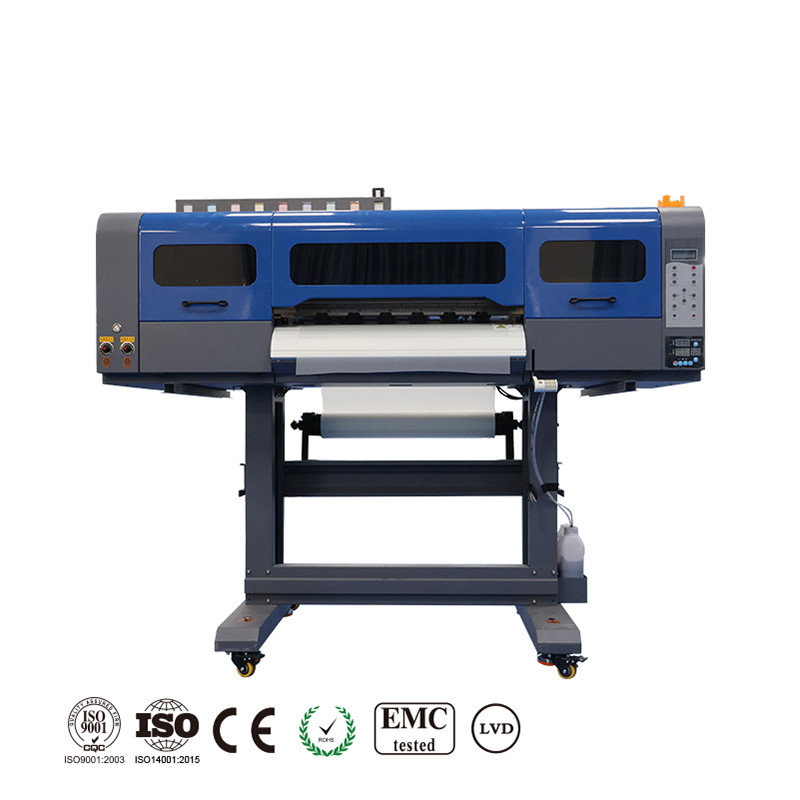
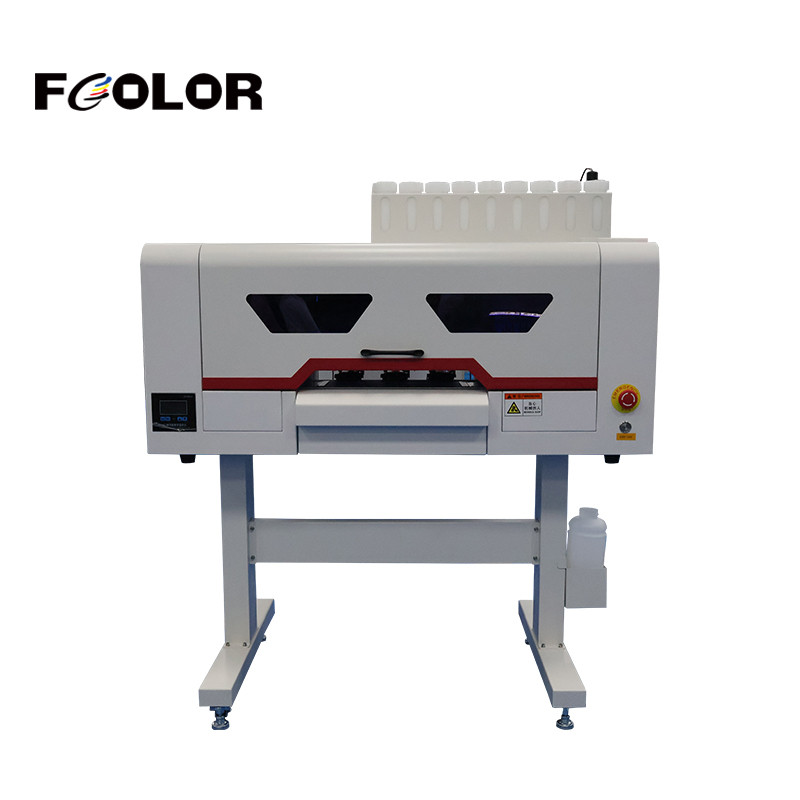
DTF stands for Direct to Film. The workflow is straightforward: you print a design onto a PET transfer film using DTF ink and a powder adhesive, melt the powder in a curing oven, then heat-press the film onto the garment. Peel it cold, and the print is done.
What makes DTF different from the other two methods is that the film does not care what fabric you give it. Cotton, polyester, blends, denim, nylon, canvas — DTF sticks to all of them. There is no pre-treatment step like DTG requires, and no polyester-content requirement like sublimation demands.
What DTF Does Well
- Fabric flexibility is the biggest advantage. You can run cotton tees in the morning and nylon jackets in the afternoon without changing your workflow, inks, or films. This is the reason a lot of shops that started with DTG added a DTF setup later — too many jobs came in on dark poly blends or 50/50 hoodies that DTG simply could not handle well.
- Color vibrancy on dark garments. Because the white ink layer sits behind the CMYK layer on the film, DTF prints pop on black and dark-colored shirts without needing a white underbase printed directly onto the fabric. The result is a bright, opaque print that holds its color through repeated washing.
- No pre-treatment. DTG printing requires you to spray and heat-press the garment before printing. Skipping this step with DTF saves a solid 2-3 minutes per shirt. Over 100 shirts, that is almost 5 hours of labor saved.
- Low minimums, no setup cost. DTF does not need screens, plates, or weeding. You can print one sample or 500 pieces with the same film setup. This makes it the go-to method for custom one-off orders and small-batch runs where screen printing would be too expensive to set up.
What DTF Does Not Do Well
- The hand feel is heavier. A DTF print sits on top of the fabric as a film layer, so it has a noticeable texture. Some customers are fine with it; others prefer the soft, almost-invisible feel of DTG or sublimation. This is the number one complaint we hear from buyers who switch from screen printing and expect the same softness.
- Not breathable for large solid areas. A full chest print in DTF will feel like a plastic sheet on the shirt. For oversized designs, DTG or sublimation usually makes more sense.
- Film and powder are recurring consumables. You are buying PET film and hot melt powder on top of ink. The cost per print is still competitive, but you need to factor in inventory management for these extra materials.
DTG Printing: Strengths and Real-World Limitations
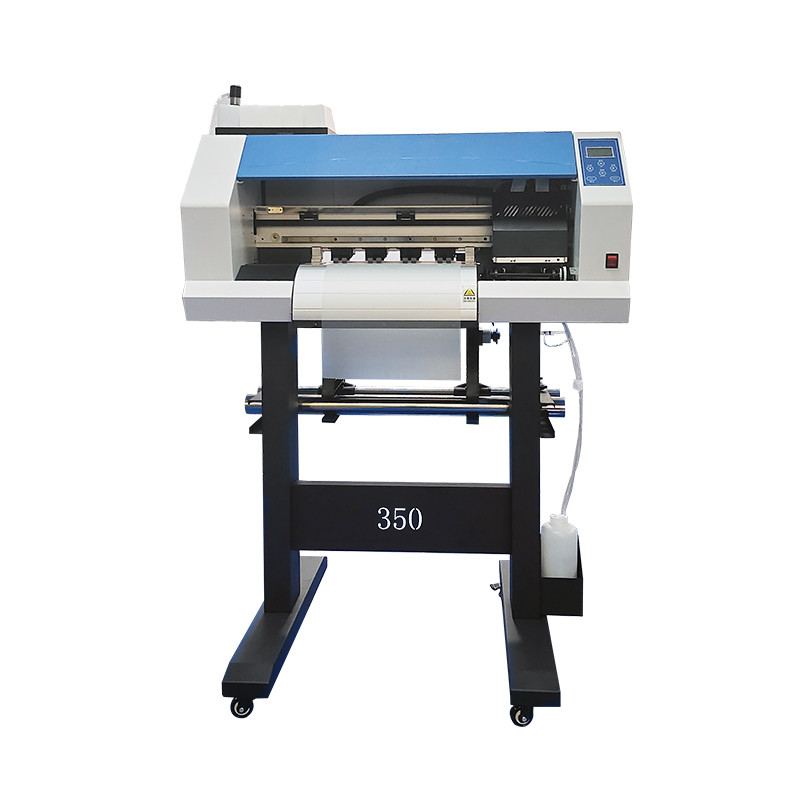
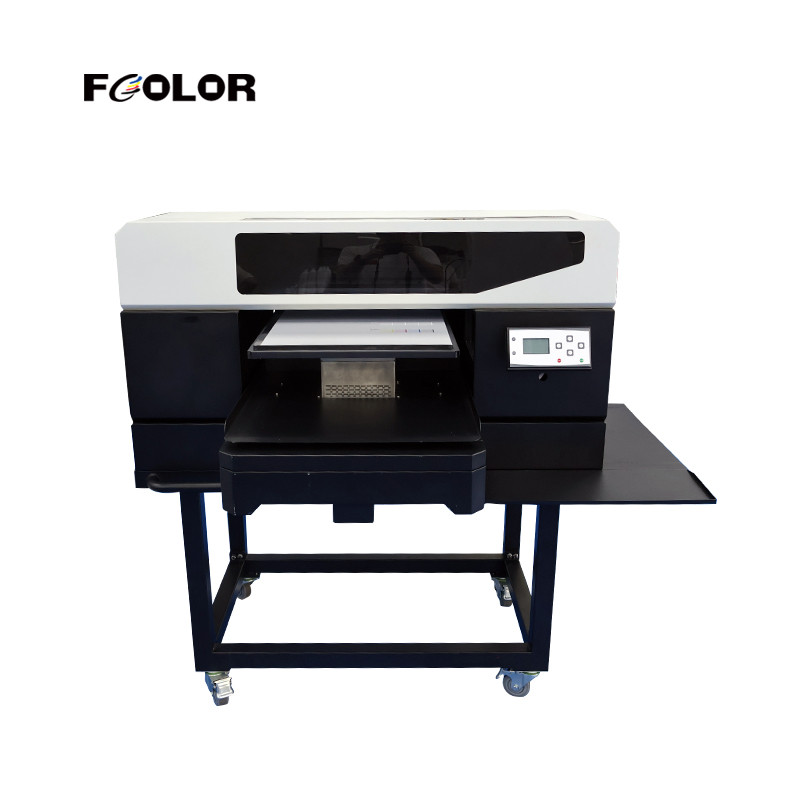
DTG (Direct to Garment) prints water-based ink directly onto the fabric through an inkjet printhead — similar to how a desktop printer puts ink on paper. The ink soaks into the fibers rather than sitting on top, which produces a soft, breathable print that feels like part of the shirt.
Where DTG Shines
- Soft hand feel is the killer feature. On 100% cotton, a DTG print is essentially invisible to the touch. This makes DTG the preferred choice for premium retail brands that sell based on comfort and quality perception.
- Photo-realistic detail. DTG can reproduce gradients, fine lines, and photographic images at a level of detail that DTF and sublimation struggle to match on cotton. If your customers want complex full-color artwork printed soft on a cotton tee, DTG is still the reference standard.
- Low cost per print on light garments. On a white or light-colored cotton shirt, you skip the white underbase entirely — just CMYK ink directly onto the fabric. Ink consumption is minimal, and there is no film or powder to pay for.
The DTG Trade-offs Nobody Talks About
- Pre-treatment is non-negotiable on dark garments. Before you can print on a black shirt, you must spray it with a pretreatment solution and cure it with a heat press. Miss a spot and the white ink will not bond properly. Apply too much and the shirt feels stiff before you even print on it. This step alone adds labor, time, and a significant learning curve for new operators.
- Fabric restrictions are real. DTG works best on 100% cotton. Cotton-poly blends are doable but the results are less vibrant. 100% polyester? Forget it — the ink sits on the surface and washes out. This rules out a huge chunk of the sportswear, workwear, and promotional product market.
- Printheads clog if the machine sits idle. DTG printers use water-based pigment ink that dries and clogs nozzles if you do not print regularly. If your shop only runs prints a few days a week, expect to spend time on head cleaning and nozzle checks every time you fire up the machine. This is not a theoretical problem — it is the most common support call we get from DTG users.
- Speed on dark garments is slow. A single dark shirt with white underbase can take 2-3 minutes to print. Compare that to DTF, where you can gang up multiple designs on one sheet of film and press them all in sequence without tying up the printer between each shirt.
Sublimation Printing: What It Excels At and Where It Fails
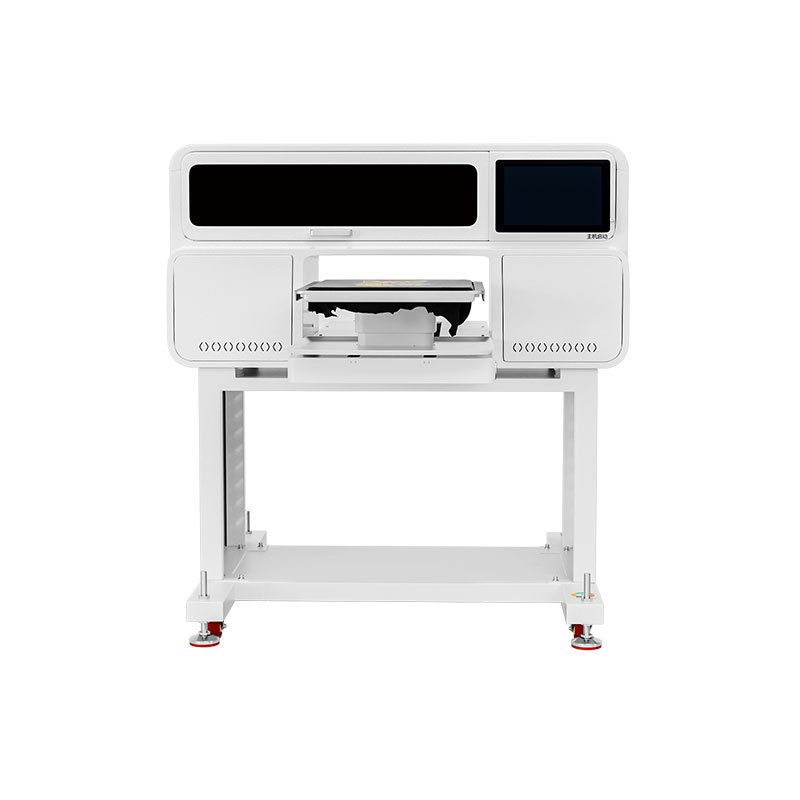
Sublimation uses heat to turn solid dye into a gas that bonds directly into polyester fibers. The design is first printed onto sublimation transfer paper, then heat-pressed onto the substrate. There is no ink layer sitting on top — the dye becomes part of the material.
The Sublimation Advantage
- Zero hand feel. The print is part of the fabric. You cannot feel it at all. For sportswear, performance apparel, and anything where breathability matters, this is unmatched.
- Permanent, cannot crack or peel. Because the dye bonds at the molecular level with polyester, there is nothing to crack, fade, or peel off. Wash it 100 times and it looks the same. This permanence is why sublimation dominates the team uniform and sports jersey market.
- Full bleed and all-over prints are easy. With a large-format heat press and the right paper, you can print edge-to-edge across an entire shirt — sleeves, collar, and all. Neither DTF nor DTG can do this on a production scale as cost-effectively.
- Works on hard substrates too. Sublimation is not limited to fabric. You can print on coated mugs, phone cases, aluminum panels, ceramic tiles, keychains, and mouse pads. This opens a completely different product line that DTF and DTG do not touch.
The Sublimation Catch
- Polyester only, and preferably white or light-colored. Sublimation dye only bonds to polyester. On cotton, the print washes out immediately. On dark polyester, the colors simply do not show through the dark base. This is a hard technical limitation, not a preference — if your market is 100% cotton tees, sublimation is not an option.
- Color accuracy on non-white substrates is tricky. Printing on light gray or pale blue polyester will shift the final colors because the base color shows through the dye. You need to manage customer expectations carefully or stick to white blanks.
- Ghosting is a common production problem. If the transfer paper shifts even slightly during pressing, you get a shadow image next to the main print. This ruins the shirt and wastes both the blank and the transfer. Experienced operators tape the paper down and use a consistent pressing motion, but it takes practice to get right every time.
DTF vs DTG vs Sublimation: Side-by-Side Comparison Table
The fastest way to understand the differences between DTF, DTG, and sublimation is to see them side by side. The table below covers every factor that matters in a production environment.
| Factor | DTF | DTG | Sublimation |
|---|---|---|---|
| Fabric compatibility | Cotton, poly, blends, denim, nylon, canvas | Best on 100% cotton; blends reduced quality | 100% polyester only (light colors) |
| Dark garment handling | Excellent — opaque white layer | Good but needs pre-treatment | Not possible |
| Hand feel | Noticeable film texture | Soft, near-invisible | Zero feel (part of fabric) |
| Pre-treatment required | None | Required for darks | None |
| Print durability | Good, 50+ washes | Good, 50+ washes | Permanent (molecular bond) |
| Detail level | Good for vector and raster | Excellent for photo-realistic | Very good |
| Per-print speed (dark) | Fast (batch film + press) | Slow (2-3 min per shirt) | Fast |
| Non-fabric substrates | Some (limited) | No | Yes (mugs, panels, tiles, etc.) |
| Entry cost | Moderate | Higher | Low to moderate |
| Recurring consumables | Film + powder + ink | Ink + pretreatment | Paper + ink |
| Idle maintenance | Low | High (clog risk) | Low |
Which DTF, DTG, or Sublimation Printing Method Should You Choose?
The right answer depends on what your customers actually order, not on which YouTube review convinced you a particular machine is “the best.”
Start with DTF if
you print on a mix of fabric types, half your orders are on dark or colored garments, and you want to skip pre-treatment entirely. DTF is also the strongest option if you do a lot of small-batch and one-off custom work where setup time kills your margin.
Start with DTG if
your volume is dominated by 100% cotton tees, your customers care about softness above everything else, and you are willing to build pre-treatment into your daily workflow. DTG also makes sense if you serve premium retail brands that will reject anything with a noticeable hand feel.
Start with Sublimation if
your bread and butter is polyester sportswear, team uniforms, or promotional hard goods like mugs and phone cases. Sublimation is also the only option that truly enables all-over-print designs without compromising feel or durability.
Running More Than One Method
A lot of successful print shops do not pick one — they run DTF alongside either DTG or sublimation. A common setup looks like this:
- DTF handles all dark garments, mixed-fabric jobs, and rush orders.
- DTG handles premium cotton tees where soft feel drives the sale.
- Sublimation handles polyester sportswear and hard-goods production.
This way, you never turn down a job because of fabric type. The equipment pays for itself by keeping revenue that would otherwise walk out the door.
DTF vs DTG vs Sublimation: Cost and Maintenance Considerations
Beyond the technical differences, the real-world cost structure of DTF, DTG, and sublimation plays a major role in which method makes sense for your shop. Here is what to budget for beyond the initial machine purchase.
DTF Operating Costs
- PET transfer film (rolls or sheets)
- Hot melt adhesive powder
- CMYK + white DTF ink
- Curing oven electricity
- Heat press consumables (pads, covers)
Cost per print: moderate. No pre-treatment labor. Film and powder add inventory complexity but keep per-unit cost competitive.
DTG Operating Costs
- CMYK + white water-based ink
- Pretreatment solution
- Printhead cleaning cartridges
- Waste ink maintenance
- Daily maintenance labor (15-30 min)
Cost per print: low on lights, high on darks. Idle maintenance is the hidden cost — clogged printheads mean wasted ink and downtime.
Sublimation Operating Costs
- Sublimation transfer paper
- Sublimation ink (CMYK)
- Heat press consumables
- Substrates (blanks, mugs, panels)
- Minimal maintenance
Cost per print: lowest. No white ink, no pre-treatment, no powder. But substrate costs (polyester blanks, hard goods) can add up.
Common Mistakes When Choosing Between DTF, DTG, and Sublimation
After helping hundreds of print shops select their equipment, we see the same mistakes repeated. Avoiding these will save you thousands of dollars and months of frustration.
- Buying based on YouTube reviews instead of your actual order mix. A reviewer’s favorite machine might be terrible for your market. If 80% of your orders are dark poly blends, a DTG-only setup will frustrate you daily. Map your real customer demand first.
- Underestimating DTG maintenance. DTG printers are not plug-and-play. If you print fewer than 3 days a week, the water-based ink will dry in the nozzles. Budget for cleaning cycles, wasted ink, and potential printhead replacement every 12-18 months.
- Assuming sublimation works on everything. We have seen shops buy a sublimation setup thinking they could print on cotton t-shirts. They cannot. Sublimation requires polyester. If your market is cotton-heavy, sublimation is the wrong choice.
- Ignoring the cost of DTF consumables. DTF film and powder are ongoing expenses. Calculate your cost per print including film, powder, ink, and labor — not just the printer price. Many shops are surprised that DTF per-print cost is still lower than DTG on darks.
- Not testing wash durability before committing. Always wash-test your prints 10 times before offering them to customers. DTF, DTG, and sublimation all claim 50+ wash durability, but results vary by ink brand, fabric, and curing technique.
Why Source Your DTF, DTG, and Sublimation Equipment from FCOLOR
Fullcolor Technology Limited (FCOLOR) has been manufacturing digital printing equipment for over a decade from our ISO-certified facility in Dongguan, China. We do not just resell machines — we design, build, and test our own DTF printers, UV printers, and printing consumables under one roof.
Our DTF product line covers everything you need to run a full production workflow: printers, PET transfer films in rolls and sheets, hot melt powders with consistent melt flow and particle distribution, and DTF inks formulated for vibrant color and reliable jetting performance. Every batch of film and powder goes through in-house adhesion and wash-fastness testing before it ships.
Our equipment and consumables meet international quality and safety standards.
We supply print shops, garment decorators, and distributors worldwide.
Engineers who actually run these machines provide direct support — not a call center.
Adhesion, wash-fastness, and color consistency testing on every consumable batch.
We hold ISO 9001, CE, OEKO-TEX, and RoHS certifications, and we supply print shops, garment decorators, and distributors across 60+ countries. Whether you need a single DTF printer to start your business or container-load quantities of consumables for an established production line, we can support your requirements with factory-direct pricing and technical support from engineers who actually run these machines.
If you are comparing equipment or consumables suppliers, reach out to our team for a sample pack, a spec sheet, or just a straight conversation about what setup fits your production volume and budget. No hard sell — we would rather you get the right equipment the first time than deal with returns later.
Contact FCOLOR for DTF, DTG, and Sublimation Equipment Quote